Give clothing with the recipient in view
Match gift risk to what you truly know about size, sensory preferences, wardrobe roles, climate, care, and exchange options.
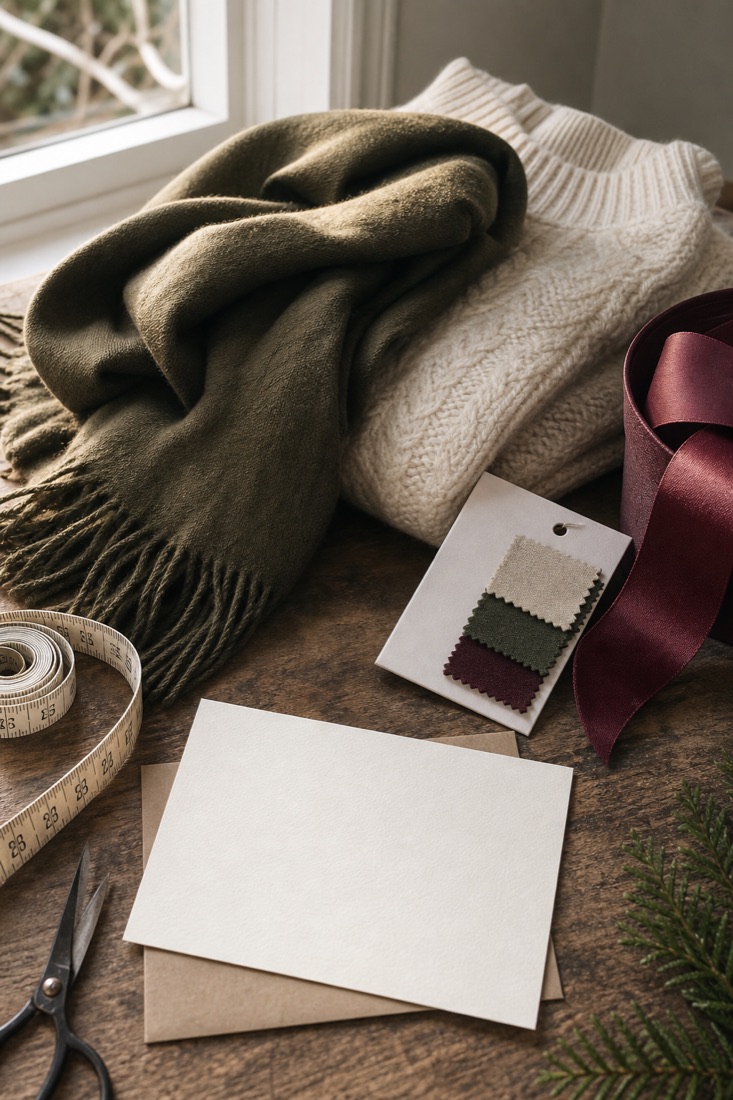
Separate what you know from what you imagine
Create two columns. In the evidence column, record items you have directly observed or the recipient has stated: colors they repeat, fabrics they avoid, usual climate, an admired item, preferred silhouette, workplace needs, or a specific request. In the assumption column, place guesses such as “everyone needs this,” “this size should fit,” or “they will learn to hand wash it.” Build from evidence.
Do not treat a body, gender, age, or lifestyle stereotype as a preference. A thoughtful gift respects the recipient’s current self and gives them an easy way to decline, exchange, or choose. If the gift is intended to solve a problem—warmth, travel, work, recovery—confirm that the recipient sees the same problem.
| Entity | Attribute | Strong evidence | Weak evidence |
|---|---|---|---|
| Recipient | Color | Repeatedly wears or requested | Trend forecast |
| Recipient | Fit | Exact item tried or measurements invited | One size label from another brand |
| Recipient | Texture | Known comfort or sensitivity | “Feels luxurious” to giver |
| Wardrobe | Role | Repeated situation they described | Imagined future event |
| Gift | Care | Matches existing routine | Hidden specialist cost |
Choose from a fit-and-preference risk ladder
Low-risk gifts include items with flexible fit and known preference: a scarf in a repeated color, socks in a requested material and size, or a replacement of a product the recipient already uses. Medium-risk items have forgiving geometry but meaningful sensory or style choices, such as relaxed knitwear. High-risk gifts include fitted trousers, tailored jackets, intimate apparel, footwear, and anything with expensive specialist care.
Higher risk does not forbid the gift; it changes the format. Invite the recipient to choose, arrange a fitting, use the exact product they requested, or include a genuine exchange path. A surprise is a presentation method, not a reason to transfer inconvenience.
Stated or observed
Fit, texture, style
Care and coordination
Easy exchange or choice
Inspect material and care as part of generosity
Read fiber content, structure, construction, and the permanent care instruction. The fabric guide explains why a fiber name alone does not predict comfort or behavior. For a recipient with known sensitivity, surface texture, seams, labels, and finishing can matter as much as composition. Avoid making medical claims about a material.
The FTC care framework makes the complete instruction visible before sale. Consider whether the recipient has the time, equipment, space, and willingness for the required routine. A professionally cleaned coat or hand-washed knit can be a welcome special item when chosen intentionally; it is a poor surprise when the ongoing burden is concealed.
Gift acceptance gate
- The gift connects to a stated or repeatedly observed preference.
- Fit risk is proportionate to the evidence available.
- Material and surface are compatible with known comfort.
- Care and storage fit the recipient’s routine.
- The return, exchange, or choice path is clear and emotionally easy.
Test the gift against the recipient’s wardrobe role
A gift need not match everything they own, but it should have a plausible use. For a garment, identify at least one complete context: what bottom or one-piece, shoe, layer, climate, and event make it usable? Do not buy a chain of dependencies—such as a transparent top requiring a new base layer—unless that system was requested.
For someone building a small wardrobe, use the calendar and outfit formula method. A bridge color, comfortable base, or missing weather layer may provide more value than another statement piece. For someone who enjoys collecting special garments, uniqueness may be the point; the framework still checks material, care, and consent.
Preserve information at the handoff
Keep care and fiber labels attached. Include the gift receipt, exchange deadline, store location or process, and any packaging needed for return. Do not remove hygiene seals or product identifiers. Say clearly that exchange is welcome, without requiring the recipient to reassure you first.
| Uncertainty | Lower-risk format | Useful note |
|---|---|---|
| Exact size | Shared fitting, selectable gift, or flexible accessory | “Please choose the fit that feels right.” |
| Color | Known repeated palette or recipient choice | “I noticed you wear this family often.” |
| Care burden | Label-compatible easy care or explicit consent | Include the care instruction visibly |
| Style | Experience, repair service, or store credit with purpose | “For the wardrobe gap you mentioned.” |
A gift succeeds when it creates pleasure without forcing fit, maintenance, or gratitude labor. The decision framework keeps thoughtfulness attached to the recipient rather than to the giver’s effort.
Sources and further reading
These references support the standards and factual claims in this guide. The decision frameworks and worked examples are original editorial synthesis.
Questions practitioners ask
Is a gift card impersonal?
Not when it removes fit or sensory risk while preserving a thoughtful purpose. Pair it with a specific invitation, note, or shared selection plan.
Can I rely on the recipient’s usual size?
Use it as a search clue, not proof. Brand, cut, material, layering, and personal fit preference vary; protect the choice with a clear exchange path.
Should I remove every label before wrapping?
Keep fiber, care, and required product labels attached. They help the recipient understand the item and may be necessary for return or exchange.